From the Ground Up: Reflections on a Day at Redhills
On 12th March, Local Trust, VONNE, and the National Lottery Community Fund brought together community practitioners, residents, funders, and organisers for a day called From the Ground Up: Strength from Community, Courage for Change.
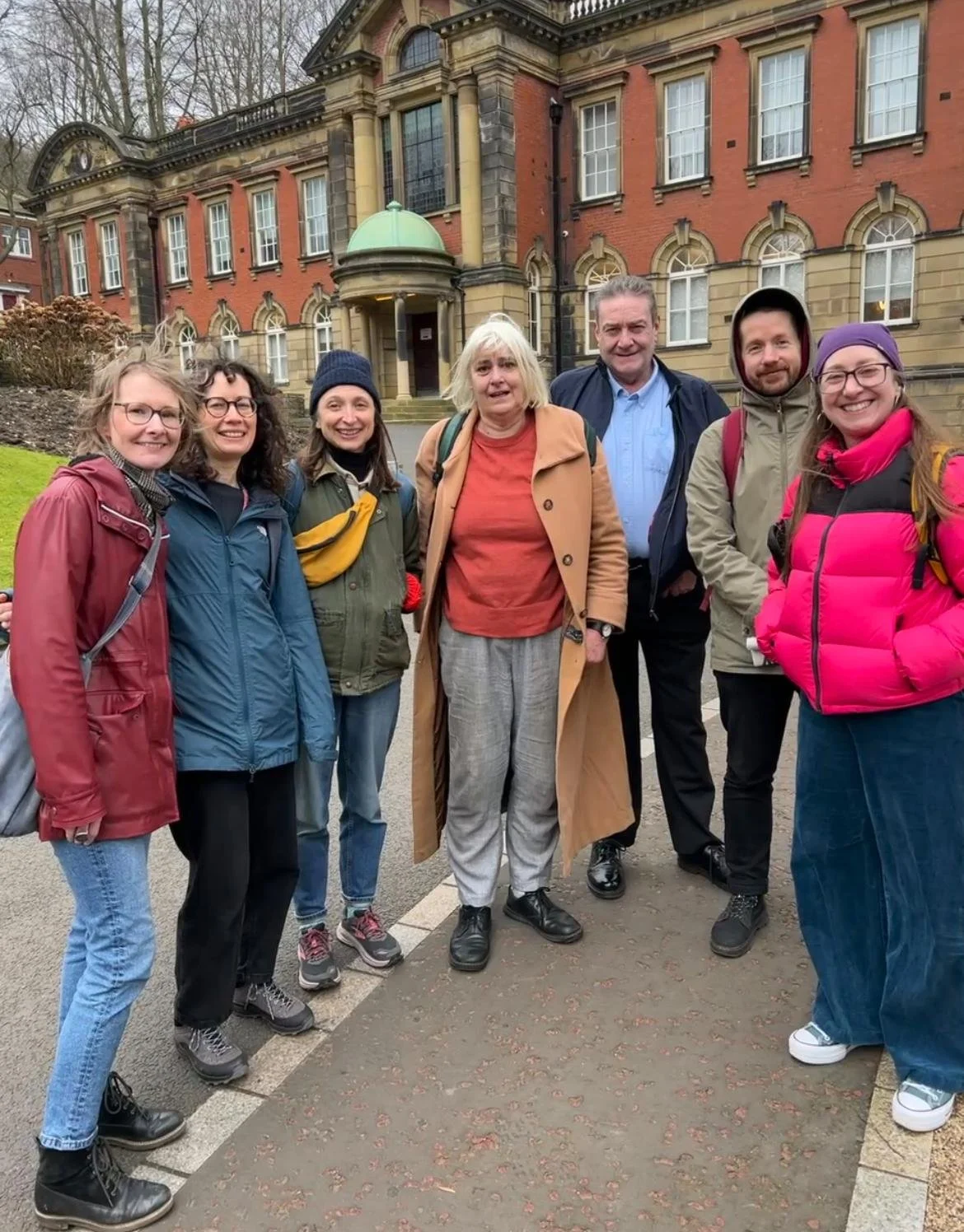
Julia, Hannah M, Hannah K (with The NewBridge Project ‘hat on’), Helen L, Graham, Andrew and Helen S were among those attending from Dwellbeing Shieldfield.
The venue was Redhills in Durham — the headquarters of the Durham Miners' Association, which opened in 1915, and a building where, as the programme put it, "working-class community power literally changed Britain."
The setting was quite apt. The building itself is a place where miners and their families created medical care, libraries, welfare halls and retirement homes through collective action. The beautiful historic Pitman's Parliament room reminded us that people in communities have always been capable of far more than they are given credit for.
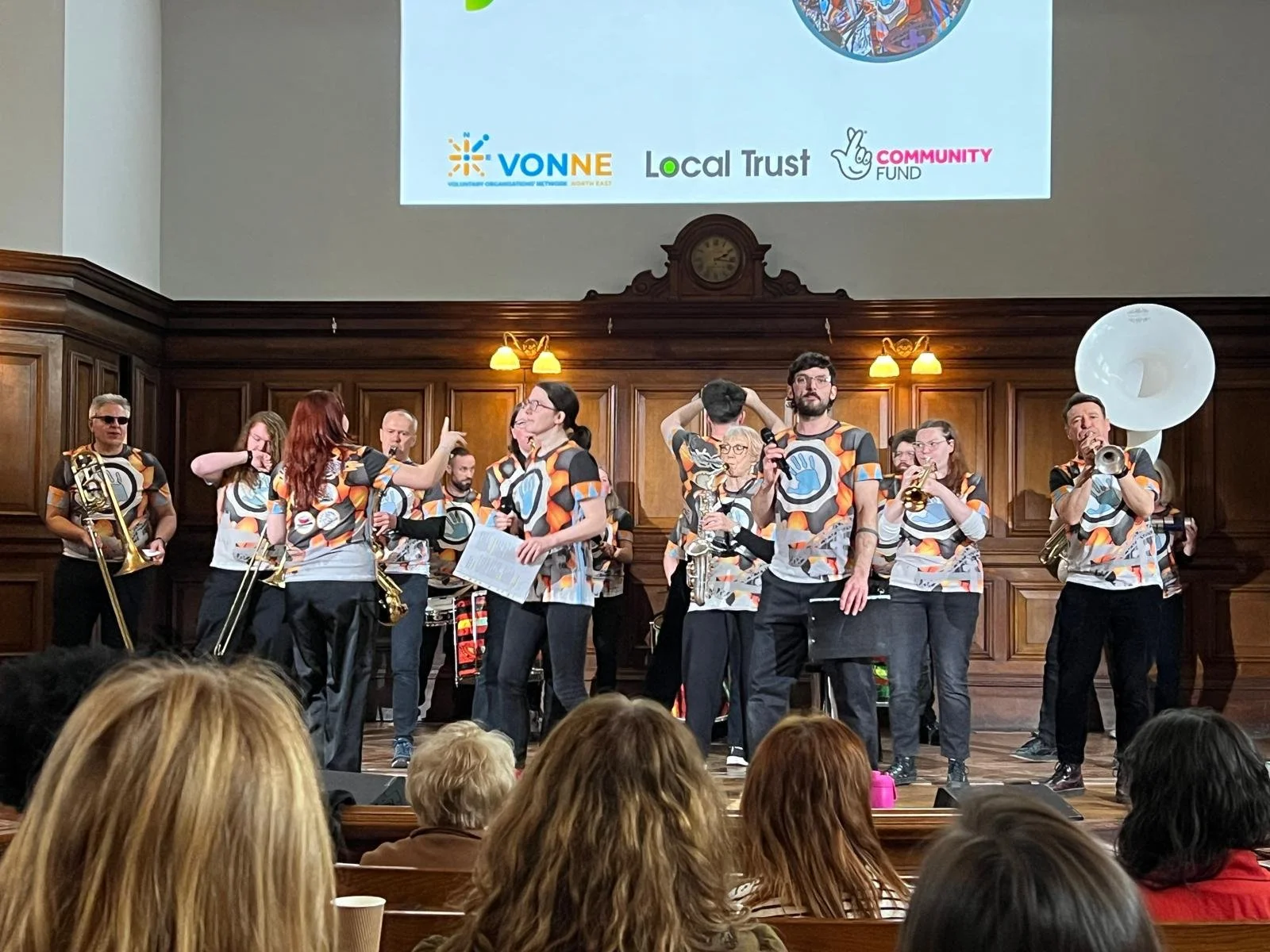
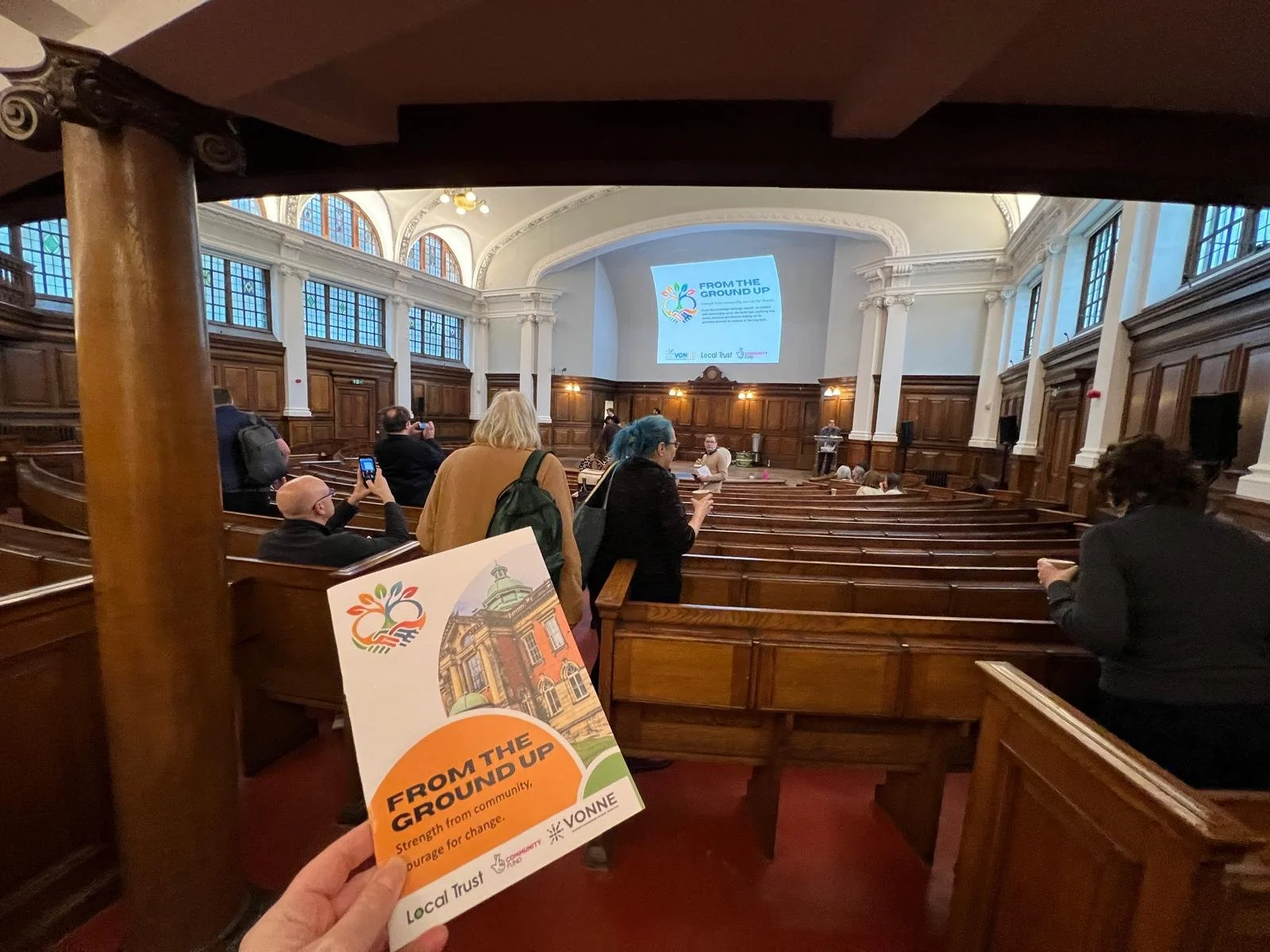
The day opened with a lively and energetic performance by the Nordestinos group (meaning ‘North-Easterners’ in Portuguese), part of Jack Drum Arts in Crook. They blended North-East stories with Brazilian carnival music. It was moving to hear the lyrics of the traditional mining songs reflecting many of the challenges people still face today.
Jon Fox, Deputy Chief Executive of Local Trust, opened the event, followed by two panel discussions. Lucy Thurley led a conversation on co-creating a shared stewardship framework for community assets in the North East. Then Dr Jo Brown from IVAR and panel guests made the case for patient, people-led investment, drawing on action research from the Big Local programme which asked what funders should learn from a decade of Big Local, and how that learning gets applied going forward.
Inspiring local examples were shared. Hufty spoke about West End Women & Girls being the first community asset transfer in Newcastle — and how good legal advice made a real difference when running the space. David Carnaffan shared the story of Whitley Bay Big Local re-establishing their community centre and eventually purchasing it through the Community Ownership Fund in 2021. Patrick Melia, Chief Executive of Sunderland City Council, reflected that having well-connected, persistent community ambassadors is crucial and that things tend to work better when councils lead on buildings and communities lead on people.
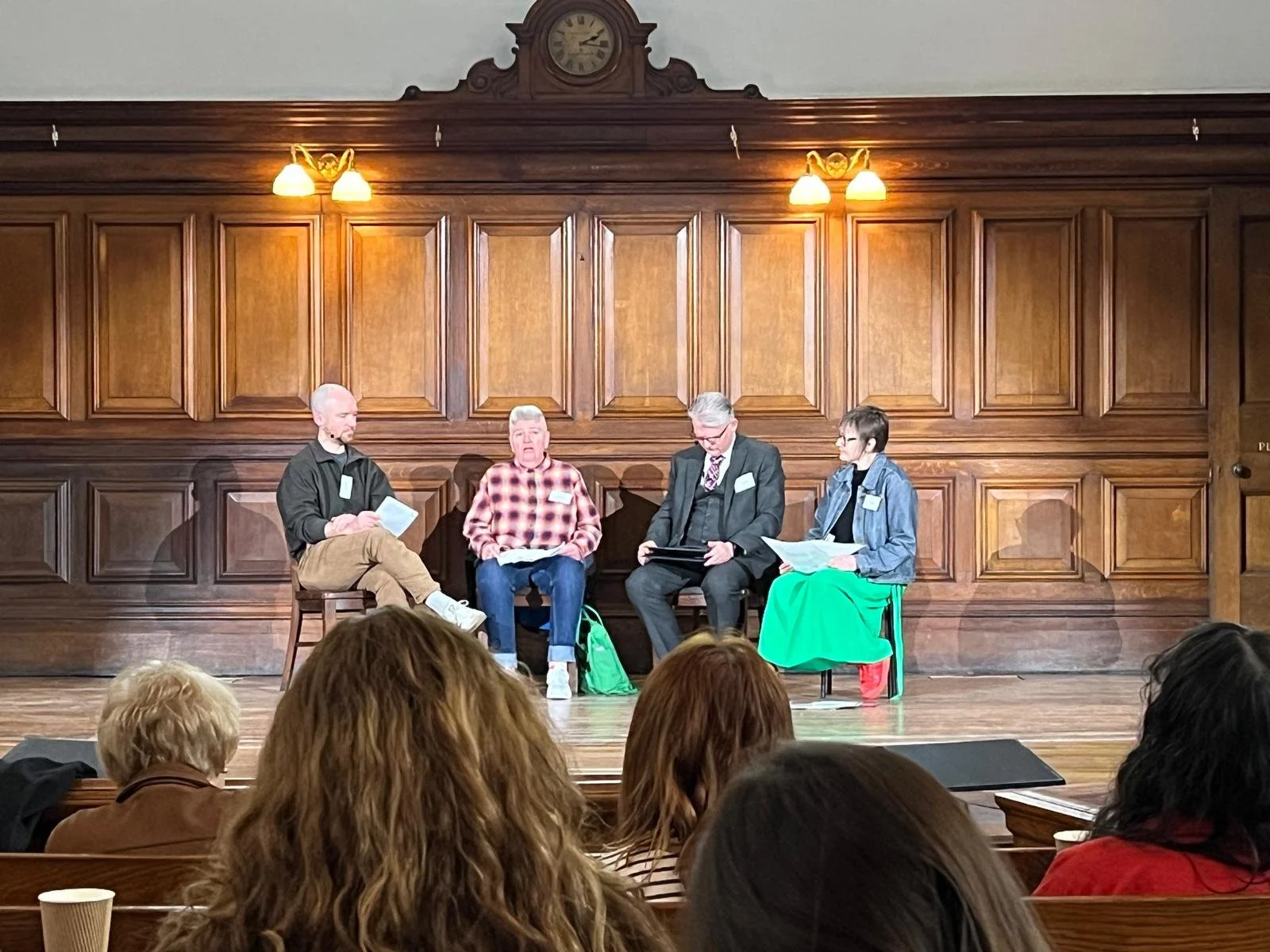
These stories show what becomes possible when communities are trusted with time, resources, and real responsibility.
After a tasty lunch and a quick stroll around the beautiful grounds in the rain, we moved into workshops exploring devolving power in practice, investing in capacity and leadership, redefining how we measure success, and co-creating the stewardship framework itself.
Several themes ran through the day. We explored who actually carries risk, who defines it, and whether funders are willing to share risk genuinely with partners. Victoria Hughes from the Joseph Rowntree Foundation suggested "If the work isn't risky, it's not the right work." Panellists challenged funders to reframe risk, change funding regimes, slow down their strategy work, and recognise both the importance and fragility of community champions.
Panellists touched on the importance of considering community capacity. People described the huge difference between handing over an asset and properly supporting a community to manage it sustainably. Asset transfer needs both community capacity and capability. The practical realities are significant: ongoing repairs, legal support, managing finances and income, and dealing with commissioning structures that are not often designed around community need.
Discussions on evaluating and measuring impact asked how do we move away from box-ticking towards methods which allow the true impact of a project to be understood? As one panellist put it, "the proof is in people, not in papers" — and another suggested there should be "no numbers without stories and no stories without numbers."
Some challenges from the day resonated with us. For example, how do community organisations handle disappointment honestly? When people's opinions aren't chosen, when funds don't stretch far enough, when community expectations can't be met — how do we navigate that with integrity? Also, what happens in a crisis? Funding rarely helps with emergency needs, yet community organisations, especially those with responsibilities for community spaces face them regularly. These feel like important issues that deserve further thought and conversation.
If you’d like to be more involved in conversations like this, come to our next General Meeting or join a volunteer working group.